
Top 10 Tips For The Current Exchange Rates For Currency.
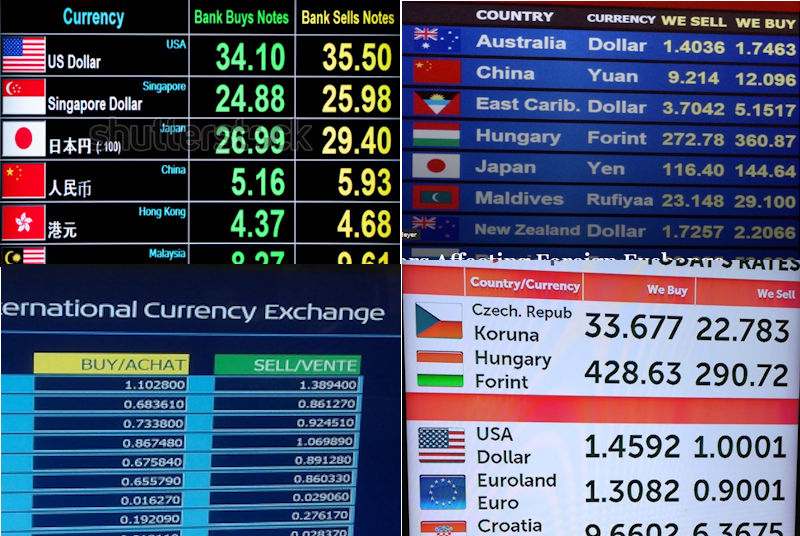
Understanding the current exchange rate is important for effective financial planning. Exchange rates are used to establish the value of one currency versus another. This could affect prices, costs, and investment values. Fluctuations of exchange rates can impact your travel budget, the profitability and returns on your investments. Take a look at the top ten suggestions below to help you navigate through these complexities.
1. Real-time exchange rates to keep you up-to-date
For making informed choices regarding currency conversion It is crucial to be aware of current exchange rates. Check the most recent rates by using reliable financial news websites and currency converter apps, as well as online banking services offered by your bank. Websites, such as XE.com and OANDA, provide the most current data that can help you plan your budget and establish prices for your business. For instance, if planning an excursion to Europe, knowing the current euro exchange rate can help you manage your expenses and avoiding unexpected costs.
2. Learn about the Bid-Ask Spread
The spread between the price of the bid and the asking price refers to the difference in price between the asking price (the price you pay to purchase currency) and the selling price (the price you have to pay for it). This spread can vary significantly among different financial institutions and currency exchange services. A lower margin is typically more advantageous, as it can mean that you receive the best exchange rate when you exchange currencies. In the above example when you're converting USD into EUR and a bank is offering a bid price at 1.10 however an offer price of 1.15 then your spread will be 0.05. Understanding this difference will allow you to make more informed choices about the best time and place to exchange money.
3. Utilize Online Currency Conversion Tools
Apps and tools to convert currencies online are vital to effectively manage exchange rates. Wise and TransferWise, previously TransferWise and Revolut provide not just actual exchange rates, but also the ability to convert currencies with low rates. They also offer features such as rate alerts and historical information that will assist you to identify patterns and make timely choices. If you're monitoring the USD to JPY exchange rate, for instance you can set up an alert so that you get notified when the exchange rate is at a level that is favorable for your transactions.
4. Assess currency risks to Business and Investments
Risk of currency and volatility in exchange rates can greatly impact the international business profit as well as investment returns. Fluctuations with exchange rates affect the value of contracts, sales and investments. Hedging involves using financial instruments for future transactions to lock in the exchange rate. For example, if you're an enterprise that imports products from Europe You could use a forward contract to lock in the exchange rate currently in place and protect your margins against unfavorable fluctuations.
5. Find out about fees and charges.
Different banks and services have different fees. These may include transaction charges along with service charges and commissions, which could eat away at your profits or even increase the cost of travel. Be sure to inquire about fees before you exchange currency. Travelers are advised to use credit cards that do not charge fees for foreign transactions as well as ATMs in international locations that provide more favorable exchange rates. Comparing rates and fees between various providers can help you find the most competitive price.
6. Timing Your Currency Exchange
If you decide to exchange your currency, it can affect the amount you get. The value of currencies fluctuates in response to news reports concerning economic events or geopolitical events, as well as the mood of the markets. Monitoring these factors will help you decide the ideal time to exchange currencies. In the event that an economy is set to announce positive economic news the currency of that country could appreciate. This is why it's beneficial to wait before you decide to convert. It is essential to stay informed of current events and understand the trends in the market. This will allow you to make better decisions both as a tourist and an investor.
7. Diversify your Currency Holdings
Diversifying your currency holdings is a good method to safeguard against fluctuations in currency for investors and business. The holding of multiple currencies can provide an insurance policy to safeguard you from any adverse fluctuations in currency. This method is especially useful for businesses operating in various international markets, as it allows for greater flexibility in pricing and payments. Investors based in the United States could, for example have both British pounds and euros to benefit from potential currency appreciation. Diversification may help reduce risks related to currency volatility.
8. Prefer Local Currency When Traveling
When you travel abroad It is recommended to always choose local currency for all transactions. If you pay with the currency of your home country, it often results in unfavorable exchange rates and fees which can result in higher prices. Additionally, withdrawing money at an ATM that is local currency can yield higher rates since they provide better exchange rates than counters for currency. It is possible to avoid paying more than you need to by analyzing the local currency and obtaining the most typical exchange rates prior to your travel. This can help you budget more effectively.
9. Research Economic Indicators
Economic indicators, like interest rates, inflation and growth in GDP, could provide insight into possible fluctuations in currency. In this case, a currency that is weaker against another country may be affected by high inflation nation. Knowing these indicators of economics can help business owners and investors make better decisions in relation to investment or currency exchange. Becoming informed about economic forecasts and trends will assist you navigate the foreign currency market more efficiently. Economic reports and calendars can be useful to keep track of these trends.
10. Speak with financial experts prior to major transactions
If you're dealing with huge sums of money or complicated transactions, advice from expert financial analysts or currency analysts can be extremely valuable. These experts provide advice based on specific circumstances and are able to guide you through the complex foreign exchange market. This is especially important for companies involved in international trade, or investors seeking to maximize their currency exposure and minimize risks. Experts can assist you to make better decisions and save money over time.
With these helpful strategies, you'll be able to navigate the complexities surrounding current exchange rates. Being aware of currency conversions and being strategic will help you get more financial success and become more successful in international engagements. Knowing about exchange rates can allow you to make more informed decisions about your finances that are aligned with your own personal and business objectives. Take a look at the top rated exchange rate url for blog recommendations including yen to dollar, us dollar to mexican peso, swiss franc to usd, dollar to yen, inr to usd, us dollar to pakistani rupee, yen to usd, usd to aud, usd to indian rupees, usd to aud and more.
Top 10 Ways To Ensure Rate And Exchange Security And Dependability
Reliability and security are vital in an increasingly connected world. This is true for anyone who works in traveling, business and managing investments. It's crucial to be aware of the security and reliable protocols that are in place for various systems, especially when you're dealing with foreign markets, conducting international trade, or investing. This can protect your investments and ensure smooth operations. From safeguarding your personal information to choosing trustworthy financial partners, understanding security procedures can help reduce risk and improve your overall experience. These are the ten most important tips for managing your financial transactions with confidence and security.
1. Check out your destination's Safety Standards
Research the safety and security environment in the area you are planning to visit prior to travel. Be aware of the stability of the country and health risks. The U.S. Department of State website or travel advisory service can provide useful information about safety conditions. Understanding what to expect will assist you in making a well-informed decision about where to stay or how to travel safely.
2. Utilize Secure Payment Methods
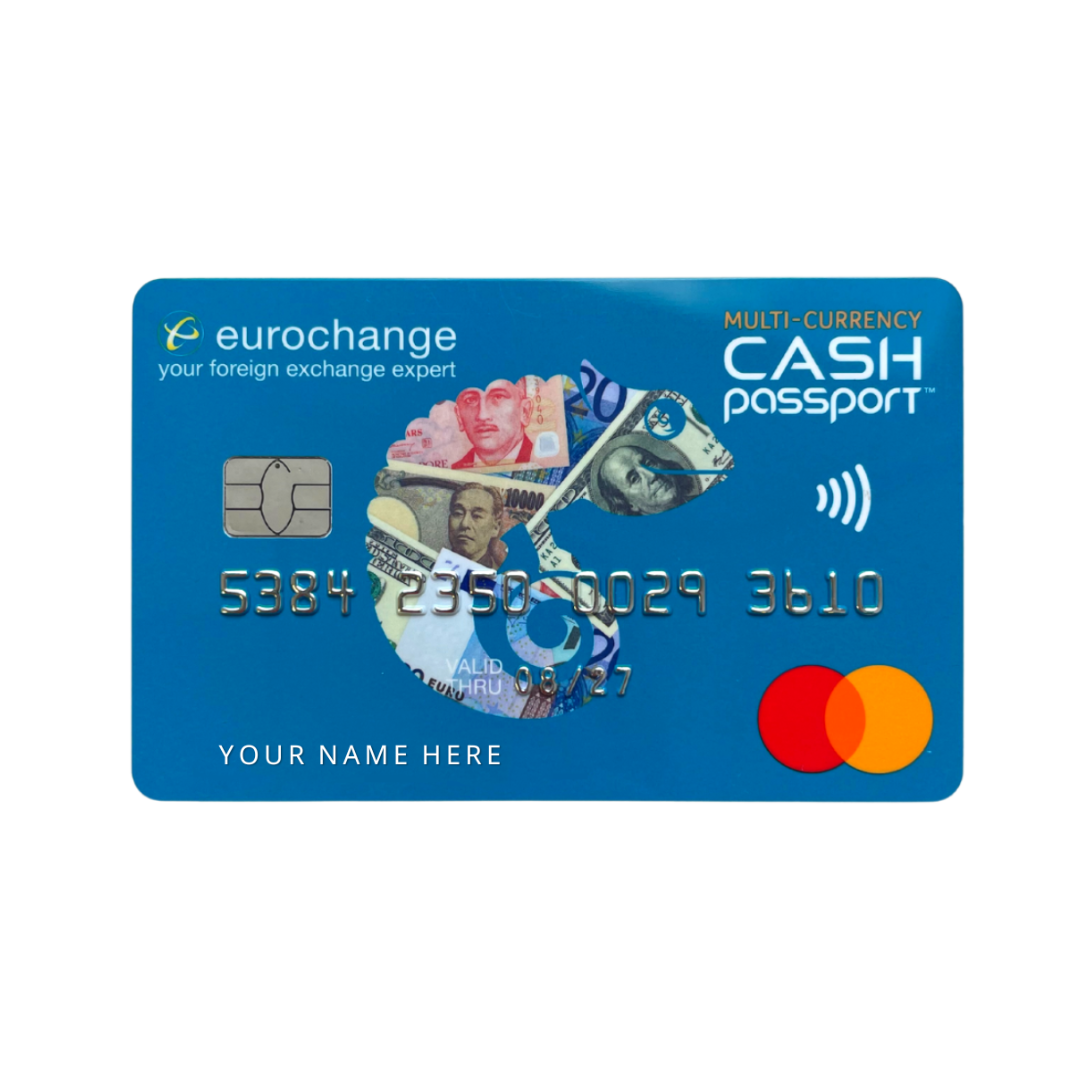
When making payments, choose safe methods, particularly when you are traveling abroad. Credit cards are safer than debit cards. They are often equipped with additional security features, such as chip technology and fraud alerts. Use digital wallets or mobile payment systems to safeguard your financial data during transactions.
3. Use Strong Passwords using Two-Factor Verification
Use strong passwords for online financial, investment and payment platforms. Enable two-factor authentication when it's available. This provides an additional layer of security, as it requires another form of verification, such as the use of a text message or an authentication software, in addition to your password. To ensure your account's security, change your passwords regularly and do not share them with anyone else.
4. Make sure your devices are secure
Be sure that your electronic devices during travel, are secured. Make use of password protection, biometric locks or PINs to block unauthorized access. It is recommended to avoid public WiFI networks for sensitive transactions. They are susceptible to hacking. Instead, think about using a virtual personal network (VPN) to encrypt your internet connection and safeguard your personal information while you are online.
5. Beware of scams that are phishing.
In today's digital world frauds involving phishing are quite common and are targeted at business owners, investors, and travelers. If you click links in messages or emails from unknown senders be cautious. Before submitting any financial or personal information be sure to confirm that the request is legitimate. Educating yourself about typical phishing scams can help you spot and avoid potential frauds.
6. Choose Reliable Service providers
If you're deciding between either a financial institution or an investment platform (hotel and other such platforms, for example) it is essential to prioritize reliability. It can be achieved by reading customer reviews and ratings. Consider institutions with a well-known for their excellent customer service as well as security. Check to see if they're regulated and that the requirements in their industry are adhered to.
7. Monitor your Financial Accounts regularly.
Watch your accounts closely for suspicious or illegal activity. Set up account alerts to ensure that you're notified of significant transactions, withdrawals or changes in your account settings. Monitoring your account regularly will allow you to detect fraud and secure your account.
8. Find out about insurance options
Travelers should be aware of their insurance options in order to feel safe and secure during their journey. Look for policies that cover trip cancellation or medical emergencies, as well as lost or theft of items. Think about insurance policies that protect cybersecurity threats, liability claims and losses to assets for businesses and investors to reduce financial risk.
9. Keep up to date with the latest developments in Regulatory Compliance
For security, keeping abreast with the most recent regulatory changes is key when you are operating internationally. Regulations for data protection, financial transactions and business operations vary from country to the country. It is essential to be familiar with your company with these guidelines in order for you to avoid legal problems.
10. Engage in continuous educational activities
The world of security threats and technological advancements are always changing. Be a part of continuous learning through webinars, workshops or training sessions that focus on security best practices. You can increase your travel security and security by staying informed about the latest threats.
These detailed tips will help you understand the difficulties of traveling, conducting business and monitoring investments. Recognizing the importance of selecting secure allies and measures to protect your assets will help you make informed choices that will protect your assets. If you're planning a trip to another country, expanding abroad for your company or managing investments, putting security and reliability first will lower the risk and allow you to achieve success. Read the best CZK to EUR for site tips including usd to euro exchange rate, us dollar to colombian peso, us dollar in indian rupees, gpb to usd, dollar to rupee, usd to eur, colombian peso to dollar, usd mxn, yen to usd, us dollar to rmb and more.